Photo: Dietmar Rabich, CC BY-SA 4.0, via Wikimedia Commons
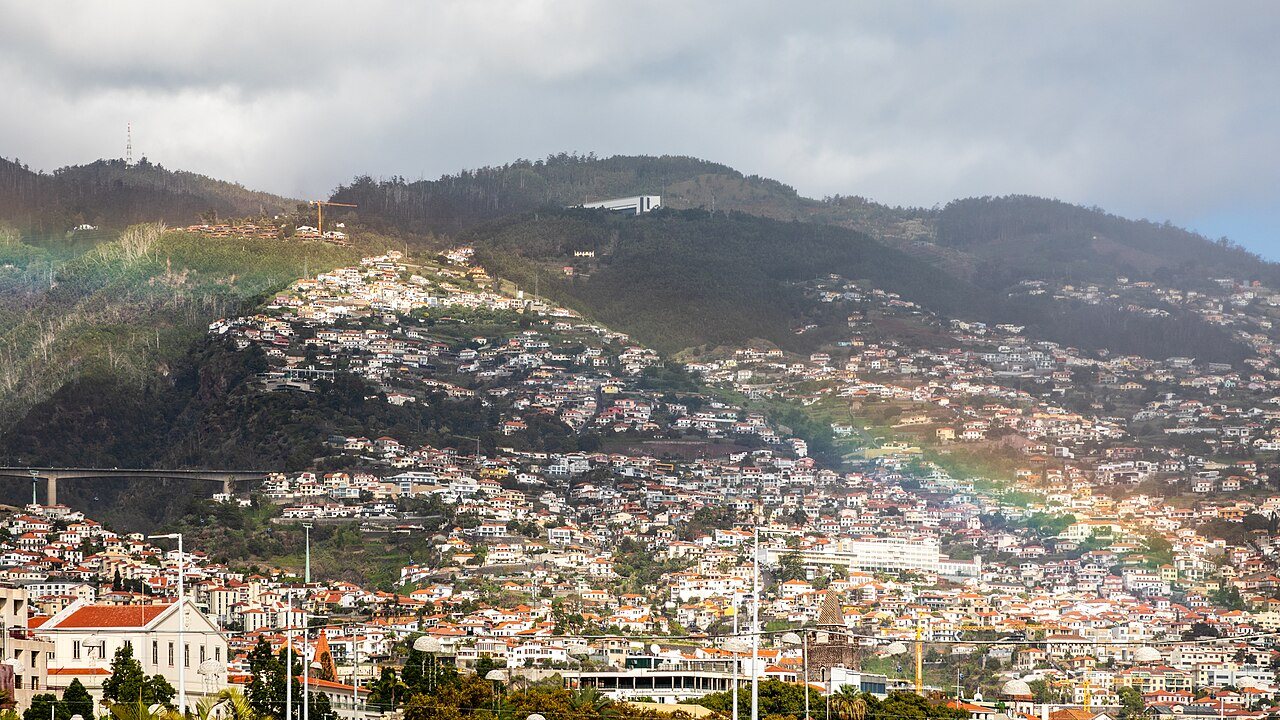
Madeira sits in the Atlantic roughly 1,000 kilometres southwest of Lisbon, closer to Morocco than to mainland Portugal, and that position is the whole reason to go in winter. While much of Europe turns grey, Funchal, the capital, usually has daytime temperatures somewhere around the high teens Celsius, with sun breaking through often enough to eat lunch outside.
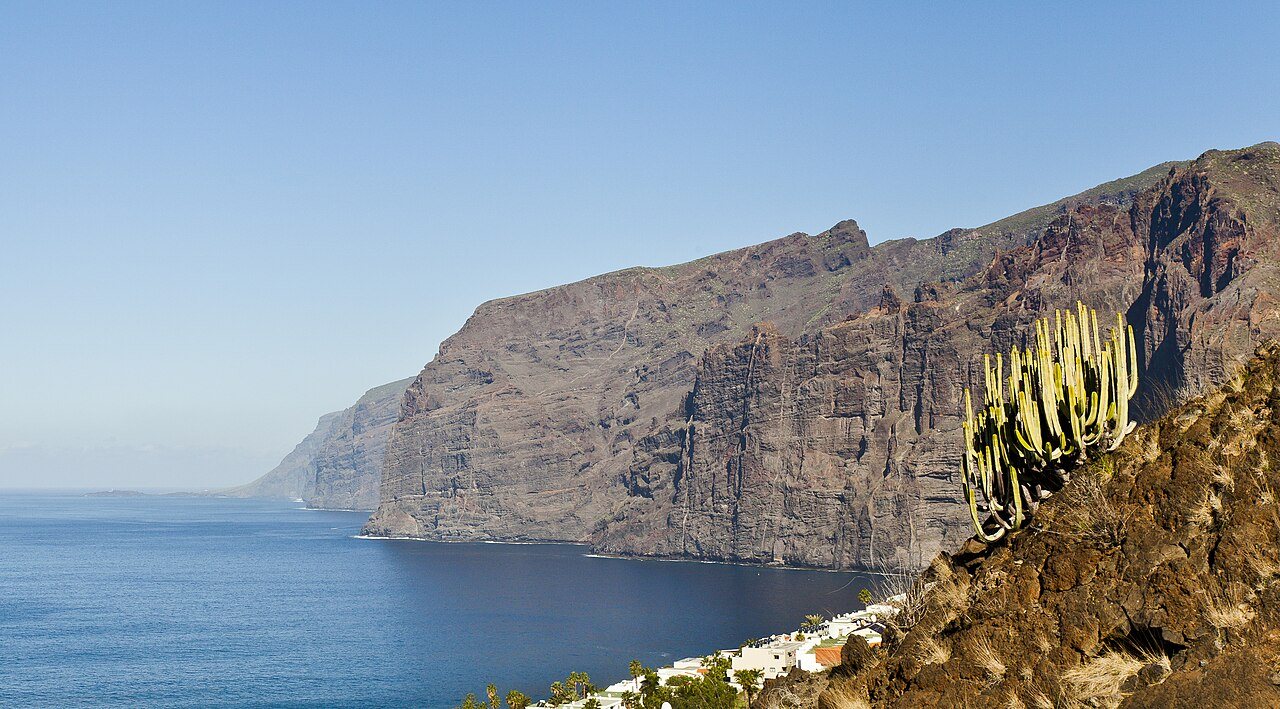
It is not a beach island, and I want to say that early because it trips people up. The coast is mostly cliffs and pebbles, and the sea in winter is bracing. What Madeira does better than almost anywhere I know is walking, eating and slowing down, with dramatic scenery thrown in for free.
Late November is a lovely time to arrive. The Christmas lights go up in Funchal in early December, the city builds up to one of Europe's best-known New Year's Eve fireworks displays, and outside the holiday weeks the island is calm.
Walking the levadas
The levadas are irrigation channels, some of them dating back to the early centuries of Portuguese settlement in the 1400s and 1500s, built to carry water from the wet, misty north and the mountains to farms on the drier south side. There are well over 2,000 kilometres of them, and many have narrow maintenance paths alongside. Those paths are now the island's great walking network.
Because water has to flow gently, most levada walks are close to level, which makes them unusually easy for mountain hikes. You can spend a morning walking beside a slow stream of clear water through laurel forest, past waterfalls and through short tunnels, without much climbing at all. Popular routes include the walk to the Caldeirão Verde in the north and the Rabaçal area in the west, with its waterfalls including the one known as 25 Fontes.
A few practical notes. Bring a headtorch for tunnels, a waterproof layer, and shoes with real grip, because the paths can be wet all winter. Some sections have steep drops beside them. Trails can close after storms or rockfalls, so check the regional government's list of open routes before setting out (local tourist offices can help with this).
The laurel forest and the high peaks
Much of the island's north is covered by Laurisilva, a type of humid laurel forest that once covered large parts of southern Europe and now survives mostly on Atlantic islands. Madeira's patch is listed by UNESCO as a World Heritage site. In winter it is green, dripping and often wrapped in cloud, which is either atmospheric or annoying depending on how much you wanted a view.
For bigger views, the classic hike links Pico do Arieiro with Pico Ruivo, the island's highest point at a little over 1,800 metres. It is a properly steep mountain route with many steps, and in winter the summits can be cold, windy and occasionally icy. Go on a clear day, start early and turn around if the weather closes in.
Funchal at street level
Funchal is easy to like. The old town has narrow streets with painted doors, the waterfront is good for an evening stroll, and the Mercado dos Lavradores, the farmers' market, is full of tropical fruit, flowers and fishmongers laying out long, black espada fish that look like something from the deep sea (because they are).
Take the cable car up to Monte, visit the gardens there, and then come back down the way visitors have since the nineteenth century: in a wicker toboggan on wooden runners, steered down steep streets by two men in white with straw boaters. It is short, a bit absurd and a lot of fun. I laughed the whole way.
Eating and drinking
Madeira wine is the island's best-known export, a fortified wine that is deliberately heated during ageing, which gives it a nutty, caramel character and means an opened bottle lasts a long time. Funchal has several historic wine lodges offering tours and tastings, and they are a good plan for a rainy afternoon.
Then there is poncha, a punch made with sugarcane spirit, honey and lemon, which is stronger than it tastes. Dishes worth ordering include espetada (beef skewers grilled over wood), bolo do caco (a flat garlic-buttered bread) and espada fillets, often served with banana. That last combination sounds odd and works much better than you would think.
Christmas and New Year
The festive season is when Madeira goes all out. Funchal's streets and squares are strung with lights through December and into early January, and there are markets and music in the centre.
New Year's Eve is the big one. Fireworks are launched around Funchal's bay, and cruise ships often time their visits to watch from the water. If you want to be there for it, book accommodation many months ahead and expect higher prices, because a lot of people have the same idea.
Before you book
Flights land at the airport near Santa Cruz, east of Funchal. Its runway is famous among pilots, and strong winds can occasionally cause delays or diversions, so leave a little slack in your plans on travel days.
Renting a car gives you the most freedom, but the roads are steep and winding. If you are not confident with hill starts, local buses and organised walking transfers are good alternatives. Base yourself in Funchal for convenience, or on the north coast for quiet and drama.
Pack for spring rather than summer: layers, a light waterproof and proper walking shoes. And do not expect a guaranteed suntan. Expect mild weather, green mountains and a very good glass of wine at the end of the day, which is a fair trade in November.
See more of us on GoogleAdd TrueVoyager as a preferred source and our stories can show up more often for you in Top Stories.