Photo: Karl Gruber, CC BY-SA 4.0, via Wikimedia Commons
The way the legend tells it, a fourth-century soldier-turned-monk named Martin was so reluctant to become a bishop that he hid in a goose pen. The geese honked, the people of Tours found him, and he got the job anyway. Sixteen centuries later, the geese are still paying for it.
On or around November 11, roast goose goes on menus from Bavaria to the Hungarian plains, and in the wine regions the year's new vintage gets its first official outing. If you're looking for a reason to go to central Europe in the gray stretch before the Christmas markets open, this is a very good one. This year the 11th falls on a Wednesday, and many of the celebrations spread out to the days around it.
The likely reason for the date is a lot less charming than the legend. Geese had finished fattening by November, the harvest was in, and winter was coming. In many places the feast also came just before the long Advent fast, so it was a last proper meal. Parsons in some regions even collected geese as payment around then. I prefer the saint's version, though I suspect the farmers had more to do with it.
Germany: Martinsgans and paper lanterns
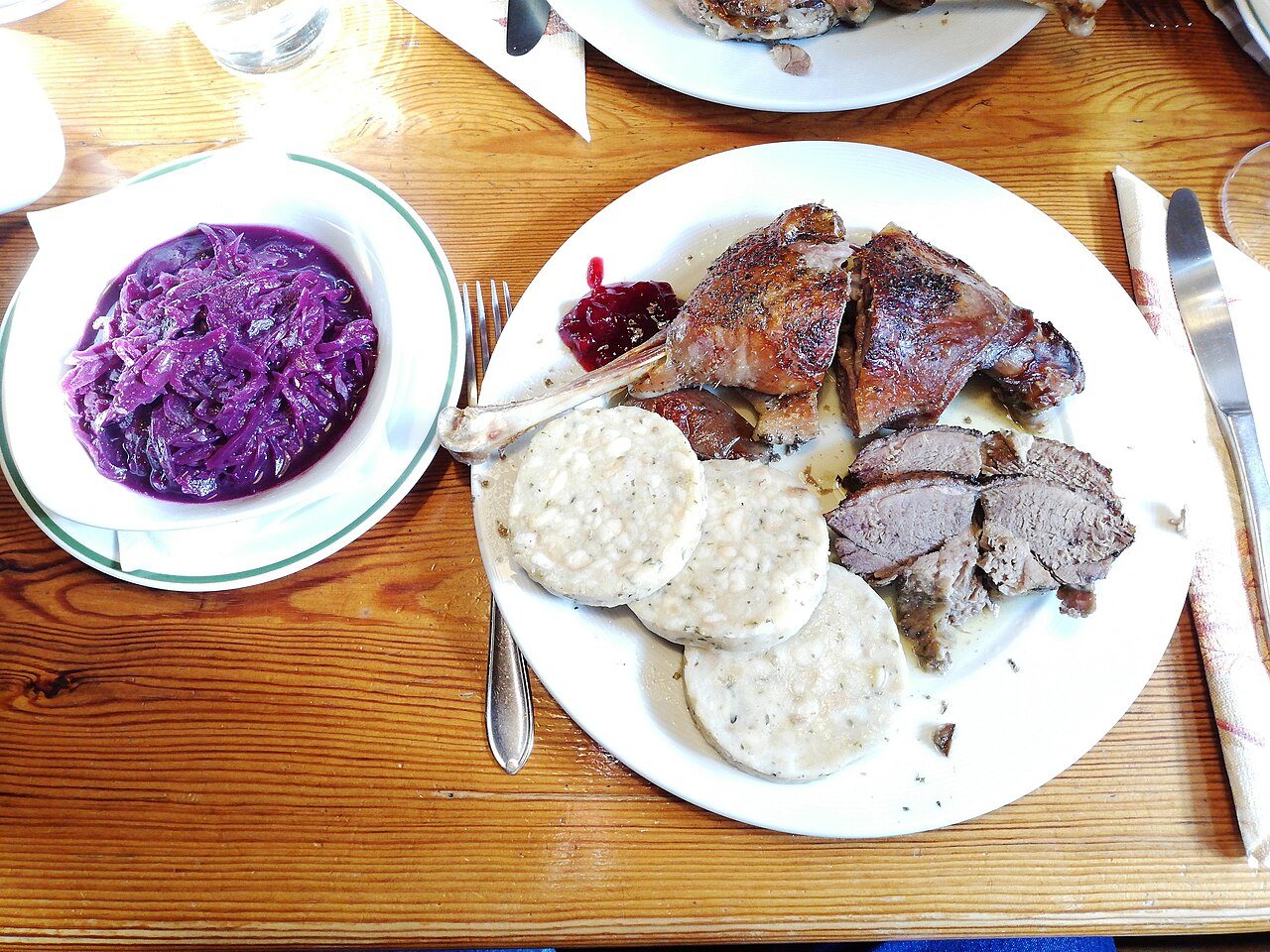
In Germany, the goose is called the Martinsgans, and restaurants serve it through November with red cabbage, dumplings and often roasted chestnuts. It is one of those dishes that's better shared, since a whole bird is a lot of food, and many restaurants will want you to book ahead for it.
The other side of the day belongs to children. After dark, they carry lanterns through town singing St. Martin songs, often behind a rider dressed as a Roman soldier, and the procession usually ends at a bonfire with big sugar pretzels handed out. Each town sets its own date, so check the local calendar. If you're staying in a smaller town, you might simply walk out of your hotel and find one going past.
Austria: Martinigansl and the wine year
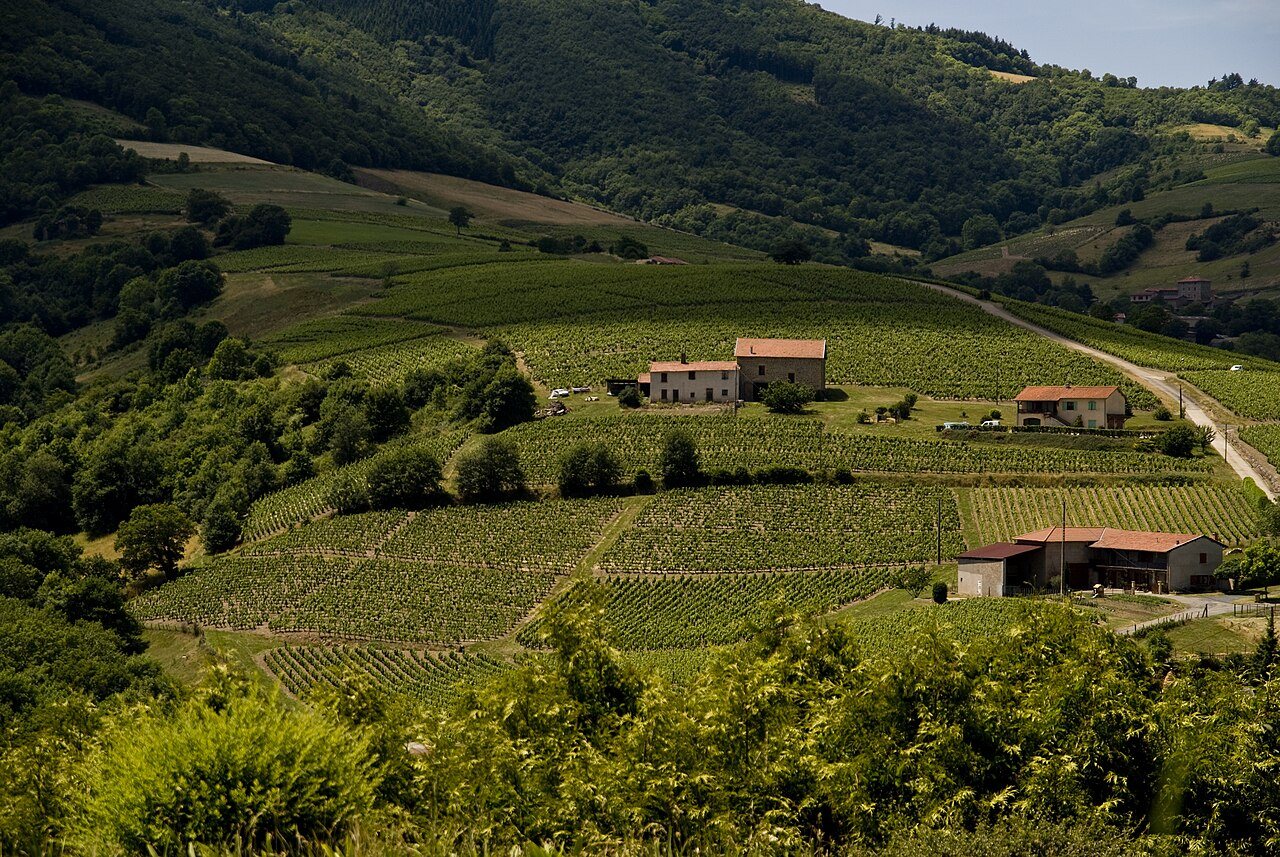
Austrians shorten it to Martinigansl and treat it as the seasonal dish, served in restaurants and inns for several weeks. The more interesting side for a food traveler is the wine. St. Martin's marks the end of the winemakers' year, and the new vintage is blessed or "christened" at events called Martiniloben. The old saying goes that on this day the must becomes wine. Vineyard villages are the place to find it, and a small tavern there beats a formal dining room in my book, though I've never been offered goose in a formal dining room and turned it down.
Hungary: the saint's home country
Martin was born around 316 in Savaria, now Szombathely in western Hungary, so Hungarians have some claim on him. In Budapest, restaurants run goose days or goose weeks in November, with roasted leg, liver and soup, usually alongside wine from that year's harvest, just through its first fermentation. There's an old proverb that anyone who doesn't eat goose on this day will go hungry all year, which seems a useful thing to quote at the person controlling the bill.
The Hungarians have also turned the bird into a weather service. A long white wishbone is said to predict a hard winter, and a short brown one a mild winter. Ask your server. They may not know either.
Czech lands and Slovenia: wine first
The Czech Republic and Slovakia share the goose tradition, with family dinners and new wine tastings around the day. In Slovenia, the emphasis swings toward the glass. Martinovanje festivities bless and name the new wine, and while goose may turn up on the table, it's the wine people have come for. If you want one trip that's more about tasting than eating, I'd look at this one.
Poznan: a croissant with its own legal protection
A St. Martin's croissant from Poznan, glazed and topped with chopped nuts. Photo: Polonist, CC BY 2.0, via Wikimedia Commons
Poland does goose too, but Poznan has a better idea. On November 11 the city eats rogale świętomarcińskie, St. Martin's croissants, horseshoe-shaped pastries packed with white poppy seed paste, nuts, dried fruit and candied orange peel, then glazed and sprinkled with more nuts. They are dense and rich, and I'd recommend sharing one before committing. The legend behind the shape points to a horseshoe lost during a parade, but the pastry's oldest known advertisement dates from 1860, so the true story is cloudier.
Since 2008 the name has had EU protected status, and only certified bakers in Poznan and nearby parts of the Wielkopolska region can use it. Look for the blue PGI symbol in the window. St. Martin himself, in Roman dress, rides down ulica Święty Marcin in a parade that was revived in 1994. The date also happens to be Polish Independence Day, so the city is especially busy.
Portugal: no goose at all
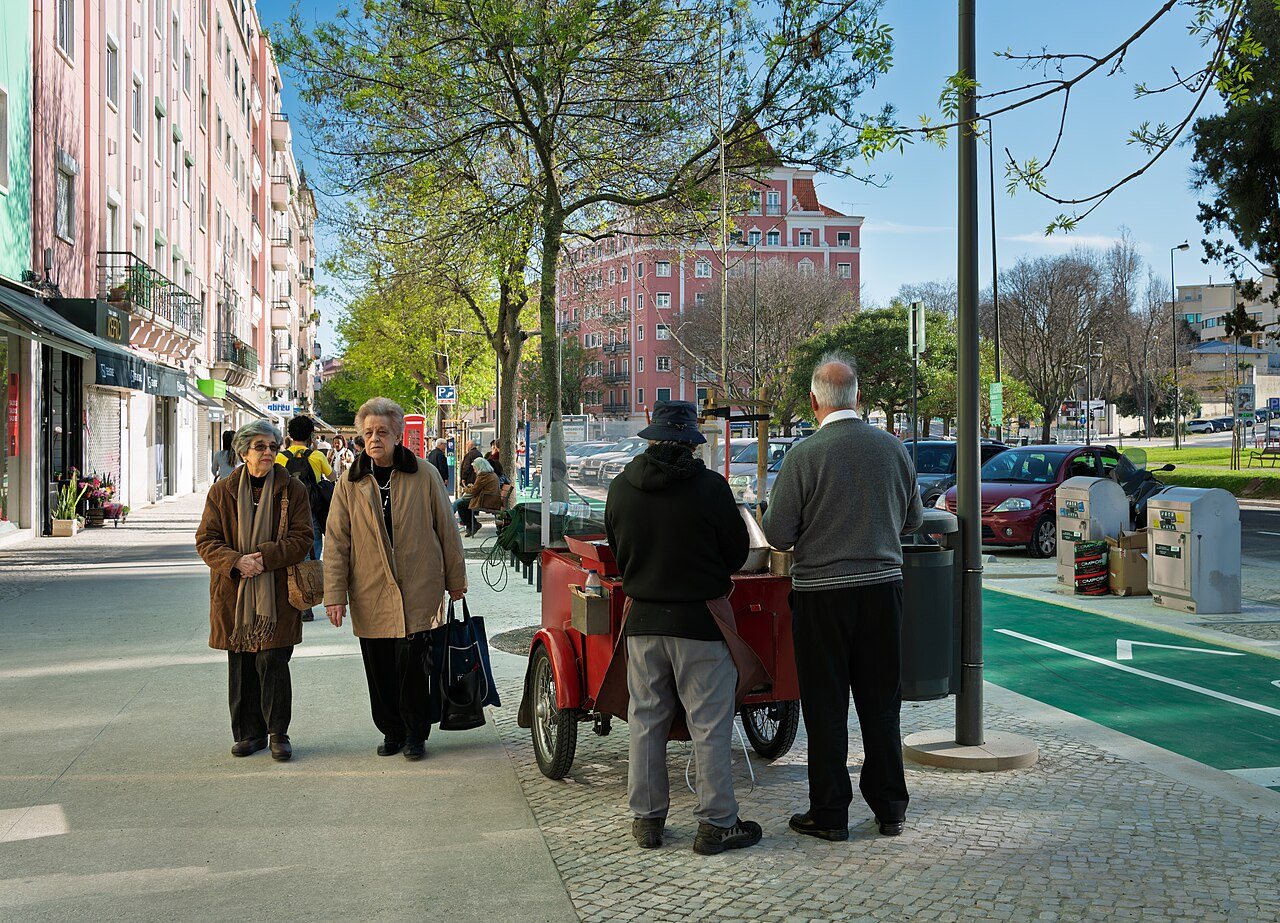
At the other end of the continent, Portugal keeps the day with chestnuts instead. The custom is the magusto, a gathering around roasted chestnuts and new wine, often the light drink called água-pé. If you can't face a goose (or a flight to the cold), a Portuguese chestnut roast might be the kindest version of this holiday.
Planning your own St. Martin's trip
The practical advice is simple. Book restaurants in advance, because goose takes hours to roast and popular places fill up. Look for words like Martinsgans, Martinigansl or libanapok (Hungarian for goose days) on menus, and go in a group if you can, since many restaurants serve the bird whole or by the half. Dates and programs change each year, so check with the local tourist office before you travel.
Also pack a warm coat. Lantern parades are lovely, but they happen outdoors, after dark, in November, and I've yet to see one run on time.