Photo: Wheeler Cowperthwaite, CC BY 2.0, via Wikimedia Commons
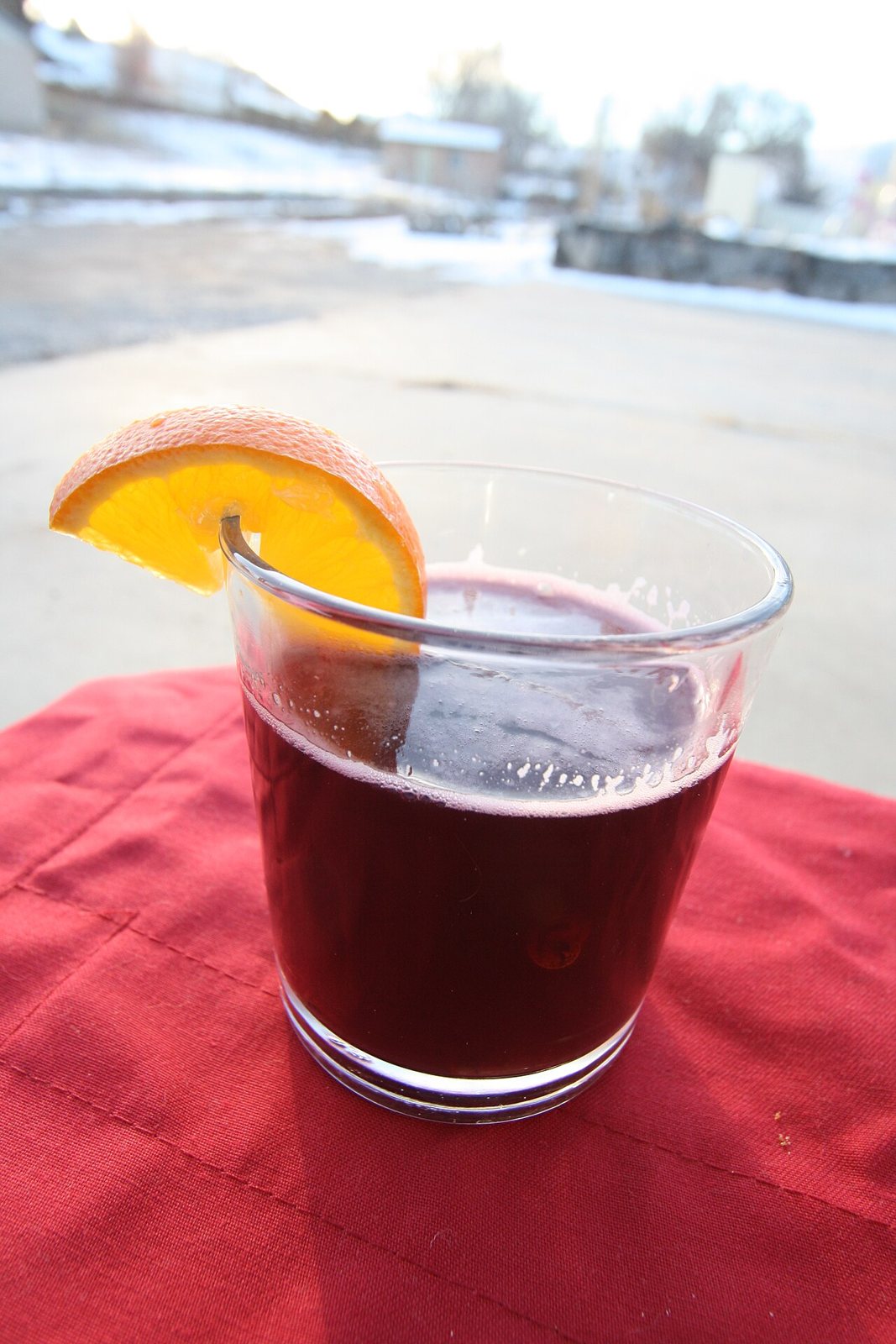
Walk into almost any Christmas market in Europe after dark and the first thing you notice is the smell: cinnamon, cloves, orange peel and hot red wine, coming off big steel pots at every second stall. Hot spiced wine is the market's fuel, and people drink it standing up, gloves on, steam in their faces.
What changes as you cross a border is the name, the spices and what ends up floating in the cup. I have a weakness for anything fermented, so I take this research seriously. Here is how the main versions differ, and what to look for when you order.
An old idea in a new mug
Heating wine with spices is not a modern invention. The Romans made spiced, honeyed wines, and a recipe for one turns up in the Roman cookbook attributed to Apicius. In medieval Europe, sweetened spiced wine known as hippocras was a luxury drink at feasts, though it was not always served hot.
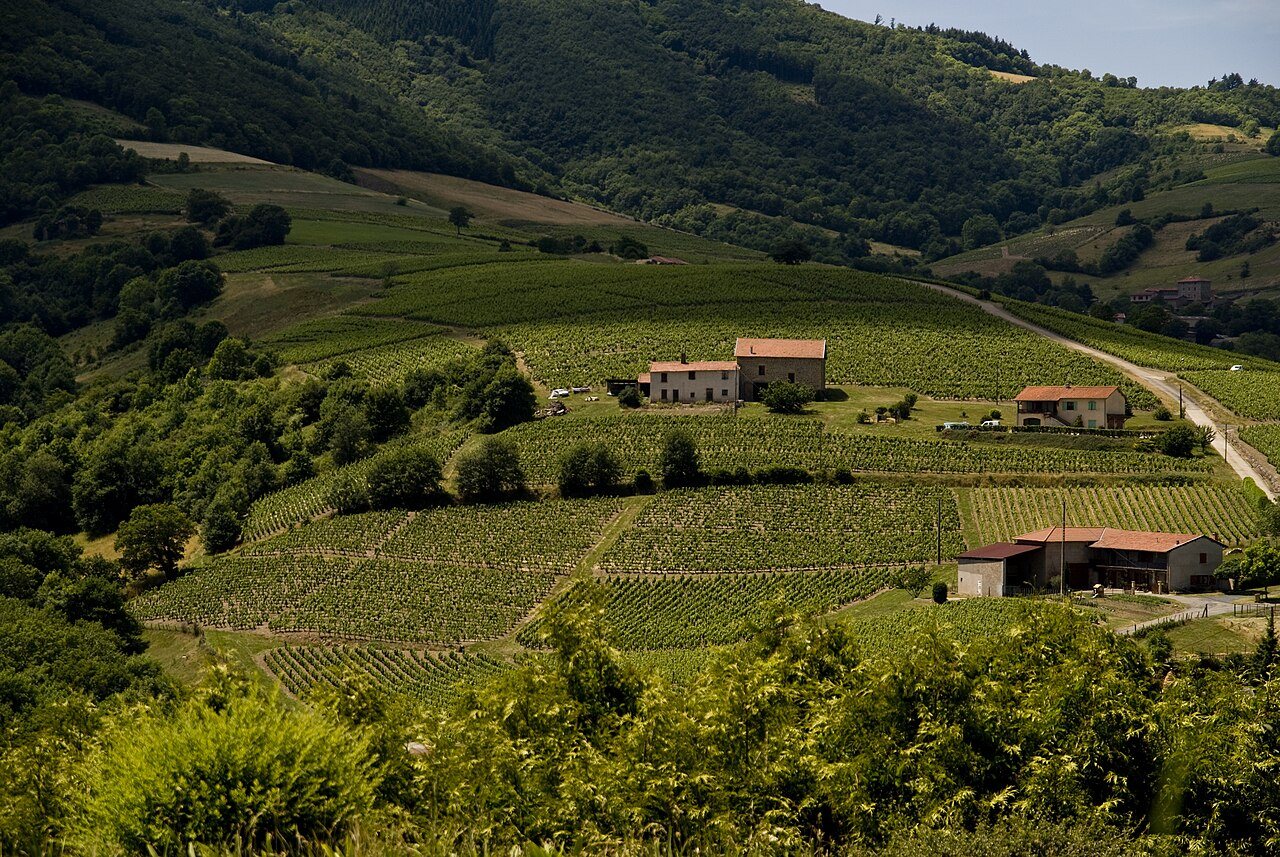
The versions you find on the market stalls today are mostly descendants of those habits, shaped by whatever wine, spirits and spices each region could get. The sugar and spices were also a sensible way to make rough or tired wine taste better, which is still true at some stalls.
Germany and Austria: Glühwein
Glühwein, literally glow wine, is the one most travelers meet first. It is usually red wine heated with sugar, cinnamon, cloves, star anise and citrus, and it is everywhere from Nuremberg to Vienna from late November until Christmas.
It usually comes in a ceramic mug, often decorated with the market's name and the year, and you pay a deposit (Pfand) on top of the drink. Return the mug and you get the deposit back. Keep it and it becomes a souvenir, which is how half the kitchen cupboards in Germany seem to have filled up.
Two things to try if you see them. A shot of rum or amaretto added to the cup is called "mit Schuss". And Feuerzangenbowle is the theatrical version, where a cone of sugar soaked in rum is set alight over a pot of hot wine and left to drip in. For children and drivers, most markets also sell Kinderpunsch, a hot spiced fruit punch with no alcohol.
Sweden and the Nordics: glögg
Nordic glögg tends to be sweeter and stronger than Glühwein. Many recipes add a spirit such as vodka or aquavit to the wine, along with cardamom and ginger as well as the usual cinnamon and cloves.
The detail that surprises visitors is the spoon. Glögg is usually served in small cups with a few raisins and blanched almonds dropped in, which you fish out at the end. In Sweden it is often paired with thin ginger biscuits called pepparkakor, and in December it seems to turn up at every office party and every gathering of friends.
France and Italy: vin chaud and vin brulé
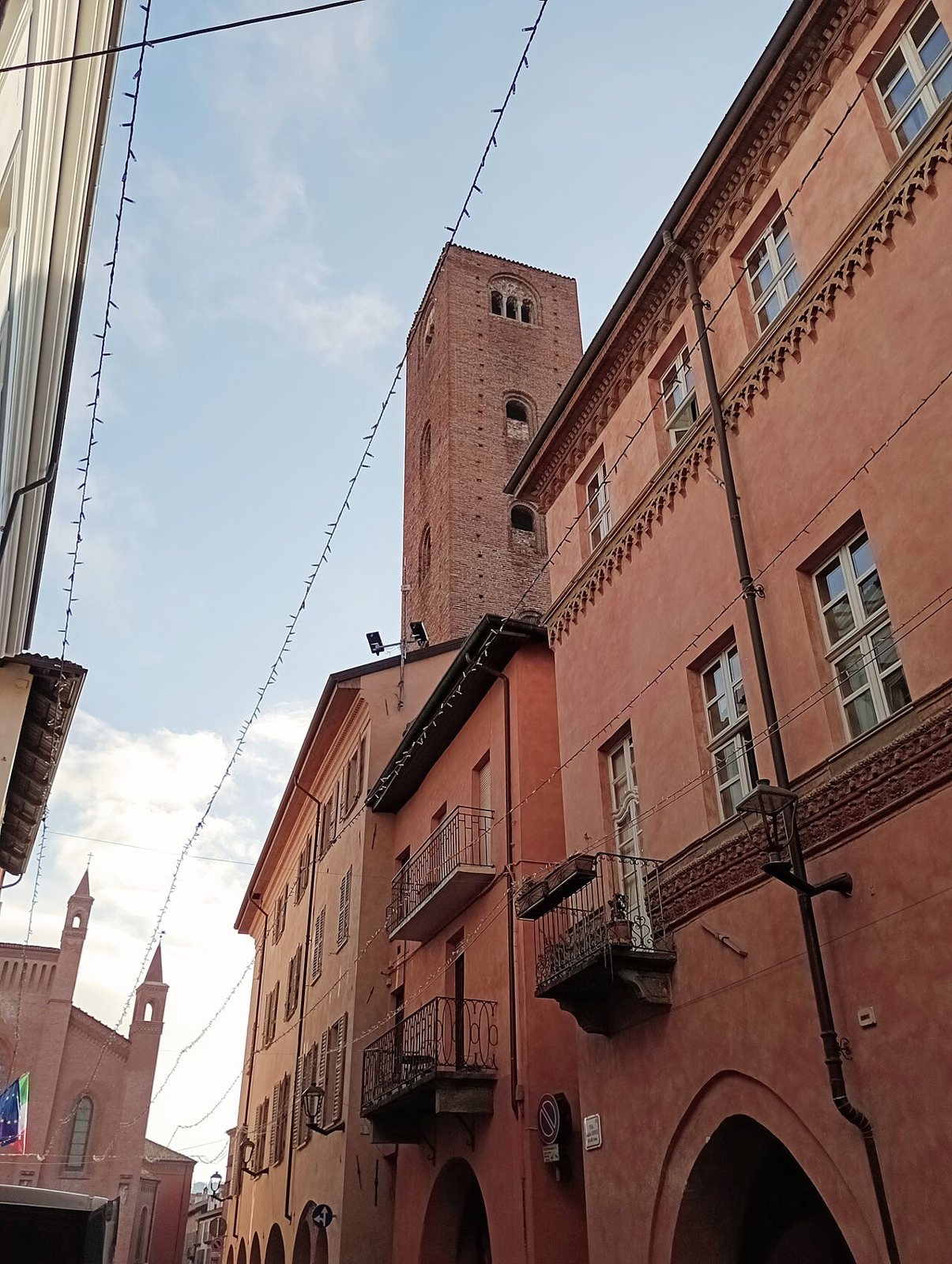
In France the drink is simply vin chaud, hot wine. You will find it at markets across the country, but Alsace is its real home, because Strasbourg and Colmar have some of the oldest and best-known Christmas markets in Europe. Alsace is also white wine country, and some stalls serve a white vin chaud alongside the red. It is lighter and more fragrant, and I think it is underrated.
In northern Italy, especially in the Alpine regions, the same drink is vin brulé, and it is as common at ski resorts as it is at Christmas.
Central and Eastern Europe
In Czechia you order svařák at the markets in Prague and Brno. In Poland it is grzaniec, and some stalls offer a version made with beer (grzaniec piwny) as well as wine. Hungary has forralt bor. The spice mix shifts a little from place to place, but the basic idea is the same: hot, sweet, spiced and handed over in a cup you can wrap both hands around.
Making it at home without boiling it
You do not need a recipe to the gram. Start with a fruity, inexpensive red wine, nothing you would save for a special dinner, and put it in a pan with a few cinnamon sticks, a few cloves, a star anise or two, slices of orange and sugar or honey to taste.
The one rule is to keep it hot but never boiling. Heat it gently until it steams, then hold it there for 15 to 20 minutes so the spices can work. Boiling drives off alcohol and turns the spices bitter. For a Nordic touch, add a splash of spirit at the end and serve with raisins and almonds in the cup.
Ordering it on the road this winter
Most of Europe's big Christmas markets open in the second half of November and run until around Christmas, with some staying open into early January. Dates and prices change every year, so check the official market site for the city you are visiting before you go.
At the stall, ask whether the mug carries a deposit, and decide early whether you want to keep it. And if you are hopping between countries, order the local version each time. Comparing them is a pleasant way to spend a cold evening, and a cheap one by travel standards.
See more of us on GoogleAdd TrueVoyager as a preferred source and our stories can show up more often for you in Top Stories.