Photo: David Kostner, CC BY-SA 3.0 DE, via Wikimedia Commons
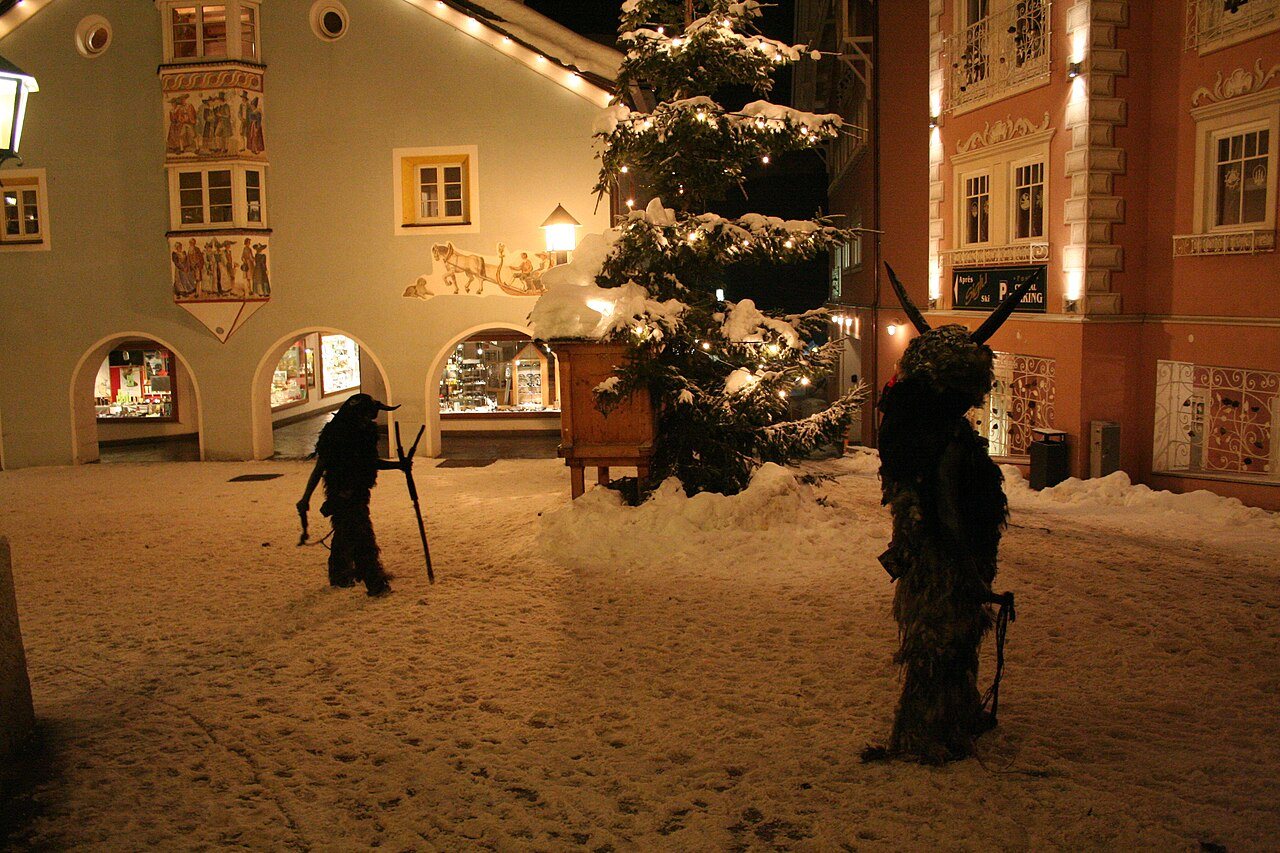
You usually hear them before you see them. A low clanging comes down the street, dozens of cowbells strapped to dozens of backs, and then the first figures come round the corner: shaggy fur suits down to the ankles, carved wooden masks with teeth and twisted horns, bundles of birch twigs in their hands. The children shriek, and most of the adults laugh a little too loudly.
That's a Krampus run, and across Austria, Bavaria, South Tyrol and parts of Slovenia and the wider Alpine region, they fill the first days of December. The main night is December 5, Krampusnacht, the evening before the feast of St. Nicholas.
The idea is simple, and pretty old. St. Nicholas visits to reward good children, and Krampus comes along to deal with the rest, with a birch switch where Nicholas has a bag of treats.
Nicholas and his dark companion
St. Nicholas was a fourth-century bishop of Myra, in what is now Turkey, and his feast on December 6 has been a children's gift day in much of Europe for centuries. In many places he doesn't travel alone. In the Netherlands he historically came with Zwarte Piet, in parts of France with Père Fouettard, and in the Alpine countries with Krampus.
In Austrian homes the visit is still a set piece in some families. A bishop with a mitre and staff asks the children whether they've behaved, hands out nuts, oranges and chocolate, and Krampus rattles his chains in the doorway to make the point. The name is often traced to an old German word for a claw, though like a lot of folk etymology that's easier to repeat than to prove.
How old the tradition really is
Here I'd urge some caution. You'll read everywhere that Krampus is a pre-Christian pagan demon that the church couldn't stamp out. It's a nice story, and there were certainly winter customs with masked, noisy figures in the Alps long before anyone wrote them down. But folklorists point out that the written evidence for Krampus as Nicholas's companion is much later, and the neat line from ancient pagan god to modern Krampus is mostly guesswork.
What we can say with more confidence is that Krampus became a fixture of the Nicholas visit in Catholic Alpine regions in the early modern period, and that the image people know today owes a lot to the late 19th and early 20th centuries. That's when Krampus postcards became hugely popular in Austria, often printed with "Gruß vom Krampus" (greetings from Krampus) and showing him carting off naughty children, or flirting with grown women, which tells you something about the sense of humour of the time.
Krampus is not the same as Perchten
Visitors often mix these up, and so, to be fair, do some event organisers. Perchten are a separate set of masked figures linked to the Twelve Nights between Christmas and Epiphany, especially around early January, and to the figure of Perchta. Their parades, the Perchtenläufe, can look very similar, with fur, bells and fearsome masks, and some groups do both.
In practice, late November and early December are Krampus season, and early January belongs to the Perchten. If you're planning a trip around one or the other, that's the line to remember.
Where to see a Krampus run
There are hundreds of Krampus runs each year, from tiny village processions to big city events with crowd barriers and hundreds of runners. Austria has the most, and Salzburg province, Tyrol, Carinthia and Styria are all strong bets. In Bavaria, Munich's Christmas market has hosted a Krampus run in recent years, and many smaller towns in the Bavarian Alps have their own.
In East Tyrol, around Matrei, there's a related and rougher local custom called Klaubaufgehen. South Tyrol in Italy has active groups too, and the Slovenian version of the figure is called parkelj.
Dates change every year and many runs are organised by local clubs (Krampusgruppen or Passen), so the local tourist office or the town's own website is the best place to check. Search in German for "Krampuslauf" plus the town name and you'll usually find the schedule quickly.
How to watch without getting hurt
A Krampus run is theatre, but it's physical theatre. Runners often swat at the crowd with birch switches, and at some events they chase people, especially teenagers who egg them on. Most of it is harmless fun, but people have been hurt, and organised runs increasingly set rules for runners and put up barriers.
Stand behind the barrier if there is one, and don't grab at masks or costumes, which can be heavy, hand-carved and expensive. If you have small children, think about where you stand. Some kids love it, and some will be talking about the horned man for weeks (I'd lean towards the edge of the crowd with anyone under about six, just in case).
Dress for a cold night, wear boots you don't mind getting trampled, and keep your camera strap on your wrist. The flashes and the dark make for wild photos, but the runners move fast.
Making a trip of it
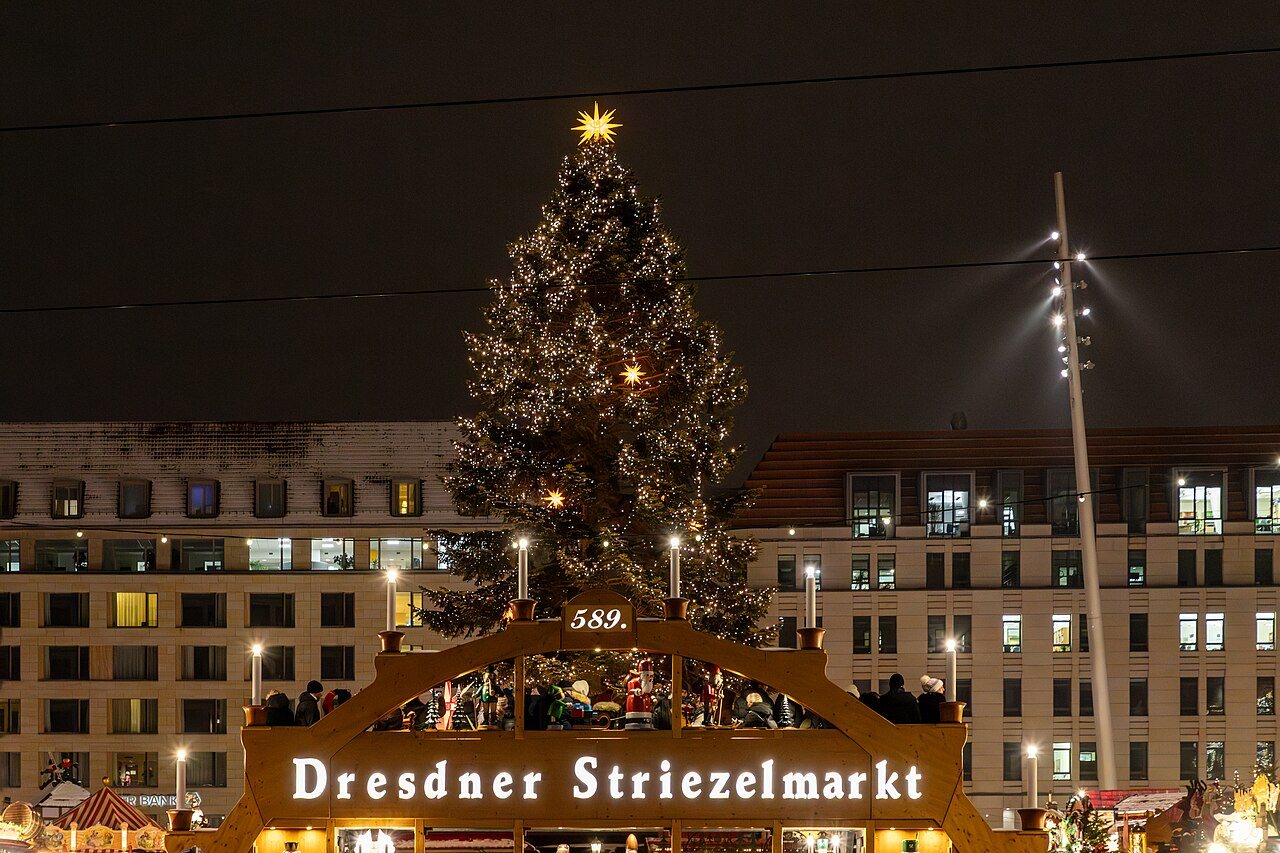
The good news for travellers is that Krampus season overlaps with the Christmas markets. In Salzburg, Innsbruck or Munich you can spend the afternoon among the stalls with a mug of mulled wine and then catch a run in the evening.
If you can only pick one night, make it December 5. That's when the tradition is strongest, the visits to homes happen, and even towns without a big parade tend to have a few Krampus figures roaming the streets after dark.
See more of us on GoogleAdd TrueVoyager as a preferred source and our stories can show up more often for you in Top Stories.